
How to Stop Doomscrolling: The Complete Guide
How to stop doomscrolling. Here's what actually works, from simple habit changes to friction-based tools and how I cut my screen time 55%. ScreenBuddy.

How to Block YouTube on iPhone
How to block YouTube on iPhone using Screen Time and third-party blockers. Step-by-step instructions. ScreenBuddy
How to Stop Mindless Scrolling: A Practical Guide
Learn how to stop mindless scrolling using Screen Time, friction apps, and environment changes. Practical methods that work.
How to Block Instagram on iPhone
How to block Instagram on iPhone using Screen Time and third-party blockers. Step-by-step instructions.
Apps to Stop Doomscrolling: 7 Options That Actually Work
The best apps to stop doomscrolling: One Sec, ScreenBuddy, Opal, Freedom, and more. Friction vs blocking vs gamification. ScreenBuddy.
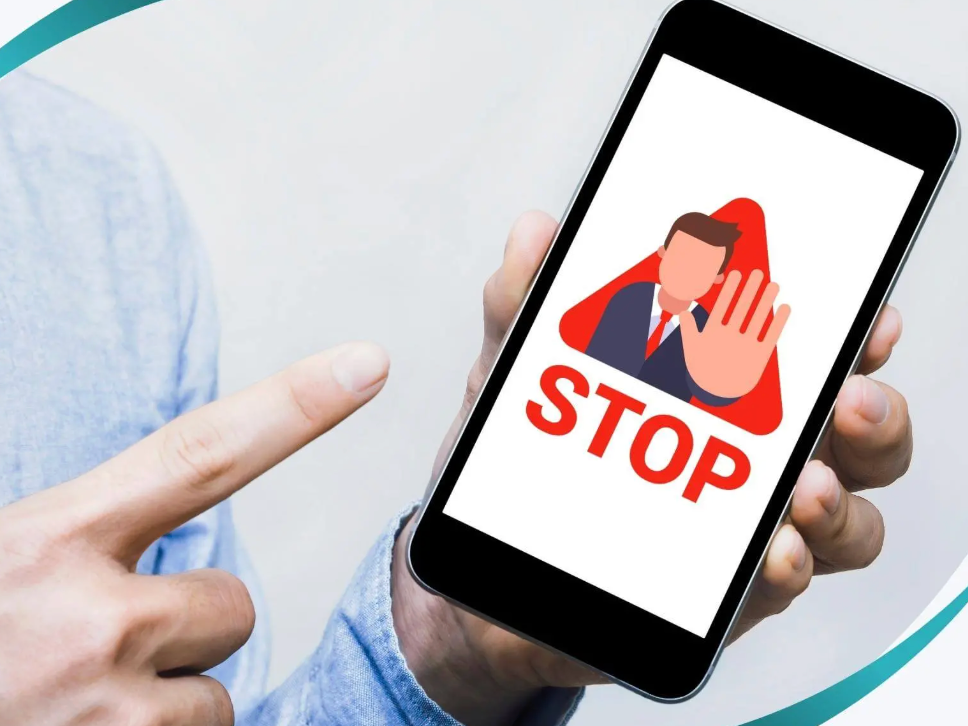
Best Apps to Limit Social Media (2026)
Comparing the best apps to limit social media: Opal, Freedom, One Sec, ScreenBuddy, AppBlock. Pricing, features, and which to choose.

How to Block TikTok on iPhone
How to block TikTok on iPhone using Screen Time and third-party blockers. Step-by-step instructions by ScreenBuddy.
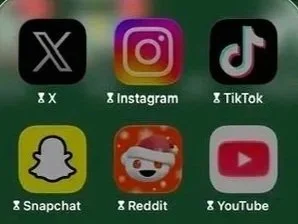
How to Block Social Media on iPhone
Learn how to block social media on iPhone using Screen Time, Focus Mode, and third-party blockers. Step-by-step guide. ScreenBuddy
How to Block Apps at Certain Times on iPhone
Learn how to block apps at certain times on iPhone using Downtime, Focus Mode, and third-party blockers. Step-by-step setup guide. ScreenBuddy
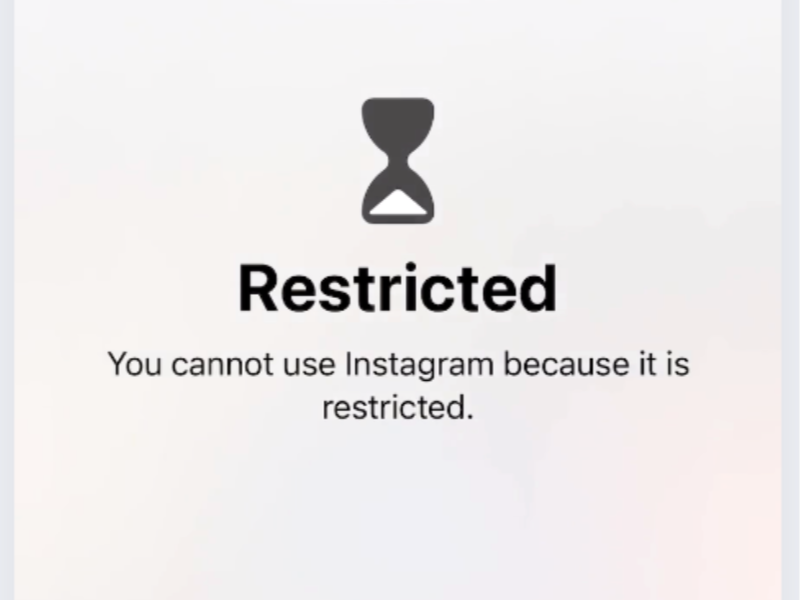
How to Block Apps on iPhone: The Complete Guide
Learn how to block apps on iPhone using Screen Time, Focus Mode, and third-party blockers. Includes methods you can't easily bypass.

Screen Time Impairs Sleep According to National Sleep Foundation
A 16-person expert panel reviewed 574 studies and reached consensus: screen use impairs sleep health in children and adolescents, and behavioral strategies can help. Here's what the research shows.

Phone Addiction Symptoms: 4 Signs You're Hooked
Research on working adults identified four distinct symptoms of phone addiction, including "phantom vibrations" that 90% of phone users have experienced. Here's what the science shows about how smartphone dependency manifests at work.
How to Reduce Screen Time (Without Going Cold Turkey)
A Georgetown University study of 500 people found that even partial digital detoxes can produce mental health improvements comparable to cognitive-behavioral therapy. Here's what the research reveals about cutting screen time in half.

Why Am I Always on My Phone? What It Does to Your Brain
Research shows checking your phone 110+ times daily signals problematic use and triggers the same brain pathways as substance addiction. Here's what science reveals about how compulsive phone checking affects your cognition.
How to Reduce Screen Time: Grayscale Mode
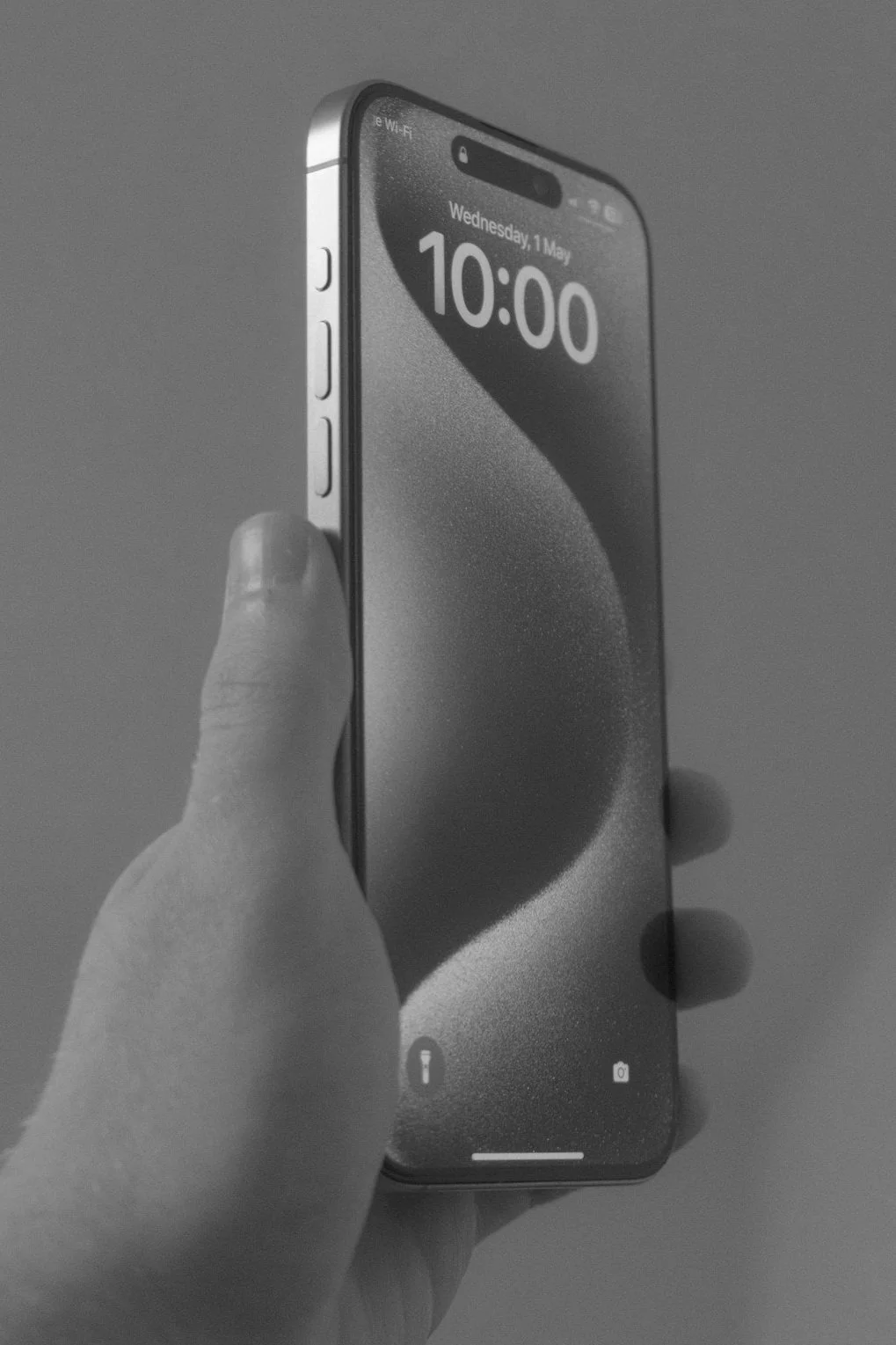
Switching your phone to grayscale can cut daily screen time by 20-40 minutes, according to multiple peer-reviewed studies. Here's how to use this simple setting alongside other proven methods to regain control of your phone use.
Why Can't I Stop Scrolling? The Brain Science Explained
Your brain is wired to keep you scrolling through bad news, and understanding this biological mechanism is the first step toward regaining control over your screen time.
How to Stop Doomscrolling: 5 Methods That Actually Work
Doomscrolling keeps you trapped in a cycle of negative news consumption that fuels anxiety and steals your sleep. Here are five evidence-based methods to break free, starting with the single most effective approach.
Australia Banned Social Media for Kids Under 16
Australia's groundbreaking social media ban takes effect December 10, 2025, forcing platforms like TikTok, Instagram, and YouTube to block users under 16 or face $32 million fines. This blog explores what the ban reveals about screen time research, why governments are finally taking action, and why the real challenge lies in what kids do with their reclaimed time.

How Your Brain Handles 3 Days Without Your Phone
MRI scans reveal hour-by-hour neural healing when young adults disconnect from smartphones. This first-of-its-kind research documents precisely how dopamine receptors, impulse control regions, and attention networks restore themselves during a 72-hour digital break.

Tech Neck and 5 Ways Screen Time Damages Your Body
New research shows adults now spend 19 hours daily on screens, nearly double pre-pandemic levels. This unprecedented exposure is causing measurable physical changes to brain structure, hormone production, and bodily systems that scientists are only beginning to understand.