

How to Reduce Screen Time: Grayscale Mode
Switching your phone to grayscale can cut daily screen time by 20-40 minutes, according to multiple peer-reviewed studies. Here's how to use this simple setting alongside other proven methods to regain control of your phone use.

Why Can't I Stop Scrolling? The Brain Science Explained
Your brain is wired to keep you scrolling through bad news, and understanding this biological mechanism is the first step toward regaining control over your screen time.

How to Stop Doomscrolling: 5 Methods That Actually Work
Doomscrolling keeps you trapped in a cycle of negative news consumption that fuels anxiety and steals your sleep. Here are five evidence-based methods to break free, starting with the single most effective approach.
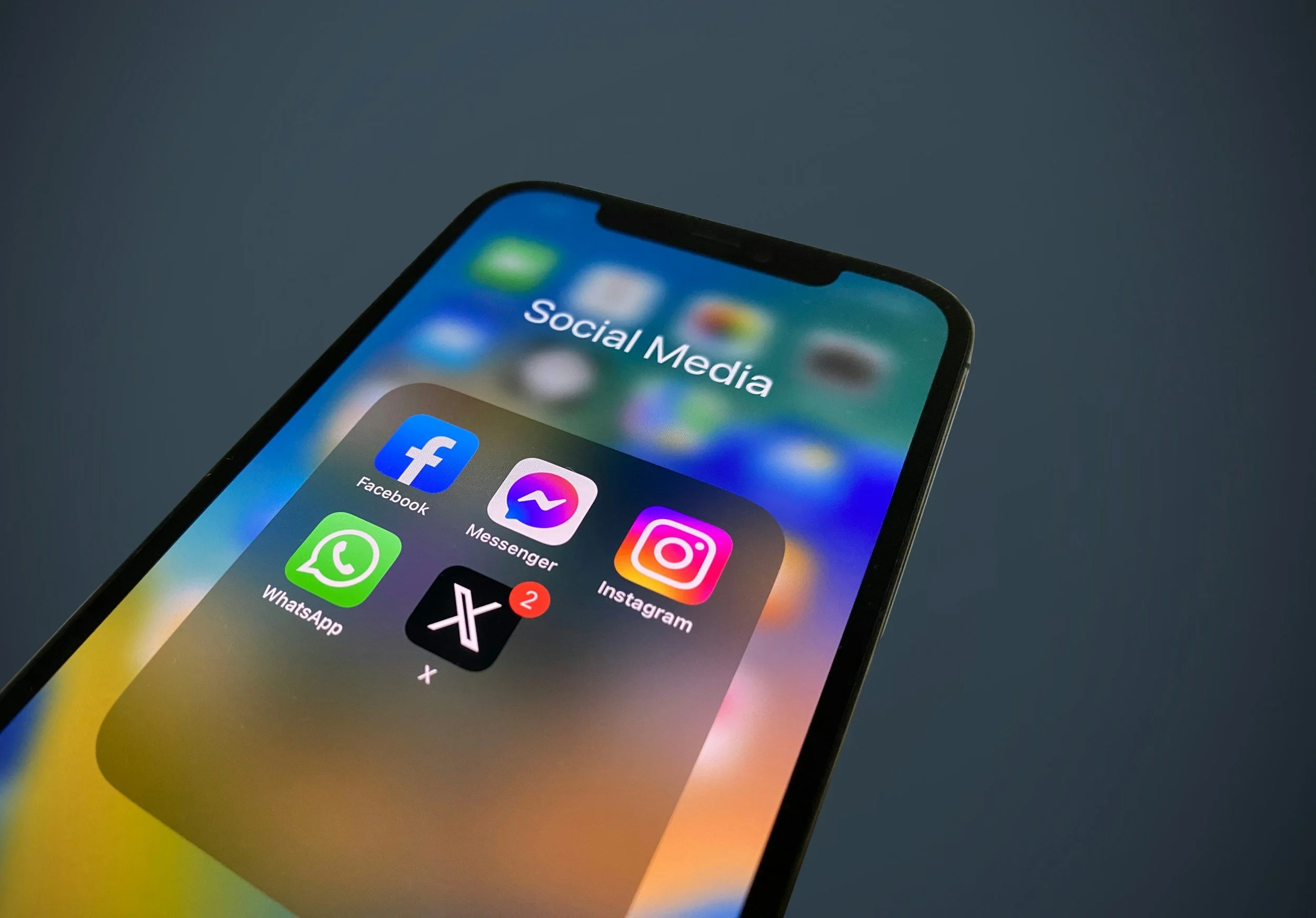
Australia Banned Social Media for Kids Under 16
Australia's groundbreaking social media ban takes effect December 10, 2025, forcing platforms like TikTok, Instagram, and YouTube to block users under 16 or face $32 million fines. This blog explores what the ban reveals about screen time research, why governments are finally taking action, and why the real challenge lies in what kids do with their reclaimed time.

How Your Brain Handles 3 Days Without Your Phone
MRI scans reveal hour-by-hour neural healing when young adults disconnect from smartphones. This first-of-its-kind research documents precisely how dopamine receptors, impulse control regions, and attention networks restore themselves during a 72-hour digital break.

Tech Neck and 5 Ways Screen Time Damages Your Body
New research shows adults now spend 19 hours daily on screens, nearly double pre-pandemic levels. This unprecedented exposure is causing measurable physical changes to brain structure, hormone production, and bodily systems that scientists are only beginning to understand.

How Screen Time Can Affect Your Mental Health
Discover the surprising health consequences of excessive screen use and learn three evidence-based strategies that can help you reclaim control over your digital habits starting today.

Your Brain Needs Boredom: How Constant Screen Time Blocks Mental Health
Harvard research reveals that eliminating boredom through constant device use prevents your brain from accessing its default mode network, the neural system responsible for processing meaning, purpose, and emotional well-being.

Screen Time Is Stealing 44% of Your Waking Life
People now spend nearly half their conscious hours staring at screens, with some countries averaging over 9 hours daily. These statistics reveal the true cost of our digital habits and why intervention tools have become essential

What Blocking Mobile Internet Revealed About Screen Time
New research from the University of Texas reveals that blocking mobile internet for just two weeks can reverse a decade of cognitive decline and significantly improve mental health. Learn what this groundbreaking study means for managing your family's screen time.

How iPhones Hijack Your Brain
This article reveals how smartphones were engineered to create dependency from day one, using August Lamm's powerful illustrated story as a lens to understand morning phone addiction. You'll learn the neuroscience behind why you can't stop checking your phone first thing in morning and discover evidence-based alternatives to breaking free.

Brain Rot: Why Gen Z Is Deleting Social Media
A growing movement of young people are deleting social media, embracing flip phones, and discovering that the ultimate flex isn't your follower count—it's being unreachable online. Here's what's driving this cultural shift and why digital minimalism has become the new luxury.

Screen Time and Kids' Emotional Problems (Study)
New research reveals that excessive screen time doesn't just cause behavioral issues in children—it creates a self-reinforcing cycle where emotionally struggling kids turn to screens for comfort, which then worsens their problems. This groundbreaking meta-analysis of nearly 300,000 children worldwide shows why traditional screen time management approaches may be missing the bigger picture

Morning Phone Addiction: What Happens to Your Brain in the First 30 Minutes
Research reveals that checking your phone within 30 minutes of waking can determine your screen time for the entire day. Understanding the neuroscience behind this pattern helps explain why morning phone habits are so difficult to break.

Brain Changes in Children Who Use Screens
Yale researchers discovered that excessive screen time physically changes children's brains in patterns similar to addiction, affecting emotional regulation and impulse control. This groundbreaking study of 5,100 children provides the first concrete evidence of how digital devices alter developing minds.

What Happens to Your Body When You Reduce Screen Time
Medical researchers reveal that your body begins healing from phone addiction effects within one hour of putting down your device. From restored sleep chemistry to sharper cognitive function, discover the immediate physical and mental benefits of reducing screen time.

Why Your Morning Screen Time Habit Creates All-Day Phone Addiction
Research from UC Davis reveals how social media hijacks your brain's reward system, particularly during morning hours. Learn the neuroscience behind scrolling addiction and evidence-based strategies to break free from excessive screen time.

Each Hour on Your Phone in Bed Costs 24 mins of Rest
A groundbreaking study of 45,000 people shows exactly how much sleep you lose for every hour spent scrolling in bed, and why all screen activities (not just social media) are equally damaging to your rest.

How 6+ Hours of Daily Screen Time Doubles Depression Risk
Groundbreaking research from the National Health and Nutrition Examination Survey reveals adults who spend more than six hours daily on screens are 2.3 times more likely to develop moderate to severe depression, with certain demographic groups facing even higher risks.

How Screen Time Changes Your Teen's Brain
Scientists have discovered that excessive screen time during adolescence can physically alter brain structure and development. Understanding these changes helps parents make informed decisions about their teen's digital habits.